The Digital Product Passport in the EU: Obligations, Deadlines and How to Prepare with CertyPass
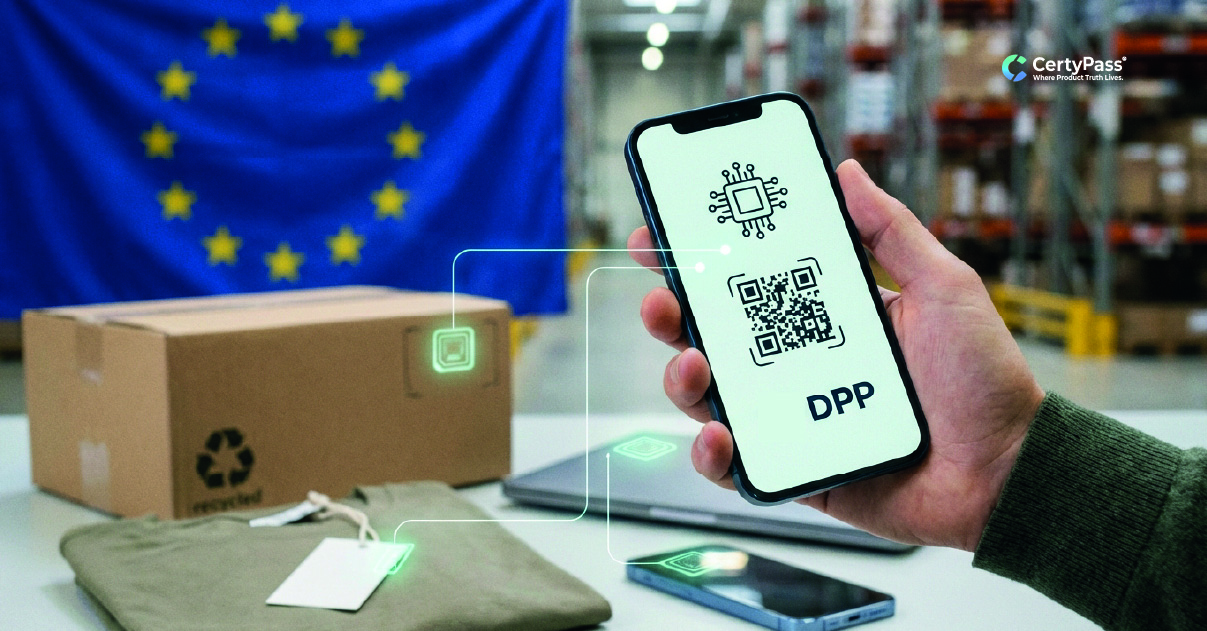
The European Union is accelerating its transition toward a more sustainable, traceable and transparent production model. In this context, the Digital Product Passport (DPP) becomes a key element within the new European regulatory framework.
This is not a recommendation or a future trend: the DPP will be a legal obligation for numerous products placed on the European market. Companies that manufacture, import or distribute certain goods will be required to implement a digital system that documents and shares structured information about the entire product life cycle.
Below, we analyze what the regulation requires, which sectors are affected, and how specialized solutions such as CertyPass enable efficient and strategic compliance.
The regulatory framework: the Ecodesign Regulation (ESPR)
The Digital Product Passport is part of the Ecodesign for Sustainable Products Regulation (ESPR), one of the central initiatives of the European Green Deal and the Circular Economy Action Plan.
The objective of the ESPR is clear: to ensure that products marketed in the EU are more durable, repairable, recyclable, and environmentally responsible — from design to end of life.
The DPP acts as the operational tool that enables this transparency. Through an accessible digital medium (typically via QR code or unique link), each product will include structured information such as:
- Origin of raw materials
- Composition and percentage of recycled material
- Manufacturing processes
- Environmental footprint
- Maintenance and repair instructions
- Reuse and recycling options
- Certifications and regulatory compliance
This system will allow manufacturers, distributors, consumers, authorities and recyclers to access reliable and verifiable data.
Who will need to implement the DPP?
Implementation will be progressive and sector-specific. In the first phase, the European Commission has prioritized:
- Electronics and electrical appliances: mobile phones, computers, televisions, refrigerators and other devices with high environmental impact and significant waste volume.
- Batteries: including automotive and energy storage batteries, which are essential for the energy transition but complex in terms of recycling and recovery of critical materials.
- Textiles: clothing, footwear and textile products will be required to include information on fibers, production processes and recyclability.
Sectors such as construction, furniture, packaging and other consumer goods are expected to be incorporated progressively in the coming years.
Although each product category will be subject to specific delegated acts, the first obligations will begin to apply from 2026, with broader implementation before 2030.
Key challenges for companies
Implementing the DPP is not simply about generating a QR code. It involves structural changes in data management.
Among the most relevant challenges are:
- Advanced life-cycle data management
- Integration with internal systems (ERP, PLM, compliance tools)
- Interoperability with European standards
- Ensuring data accuracy and auditability
- Protection against tampering
- Cross-department coordination (Sustainability, IT, Operations, Compliance)
Without a specialized solution, the process can become complex and costly.
CertyPass: infrastructure ready for the Digital Product Passport
Within this new regulatory landscape, CertyPass provides infrastructure specifically designed to meet the requirements of the Digital Product Passport.
The platform enables manufacturers and distributors to:
- Structure product data in accordance with EU regulations
- Issue verifiable evidence throughout the product life cycle
- Ensure data integrity and traceability
- Provide secure access through unique digital identifiers
- Integrate with existing systems without replacing them
CertyPass transforms a complex regulatory requirement into a structured, verifiable and scalable digital process.
Preparing today is essential
The Digital Product Passport will mark a turning point in how goods are designed, manufactured and marketed in Europe.
Anticipating these changes will help avoid regulatory friction and position companies as leaders in compliance and sustainability.
CertyPass supports organizations throughout this process, providing the technological foundation needed to address the Digital Product Passport with confidence, efficiency and strategic vision.