The Battery Passport: Transforming the Industry Towards Circular Sustainability
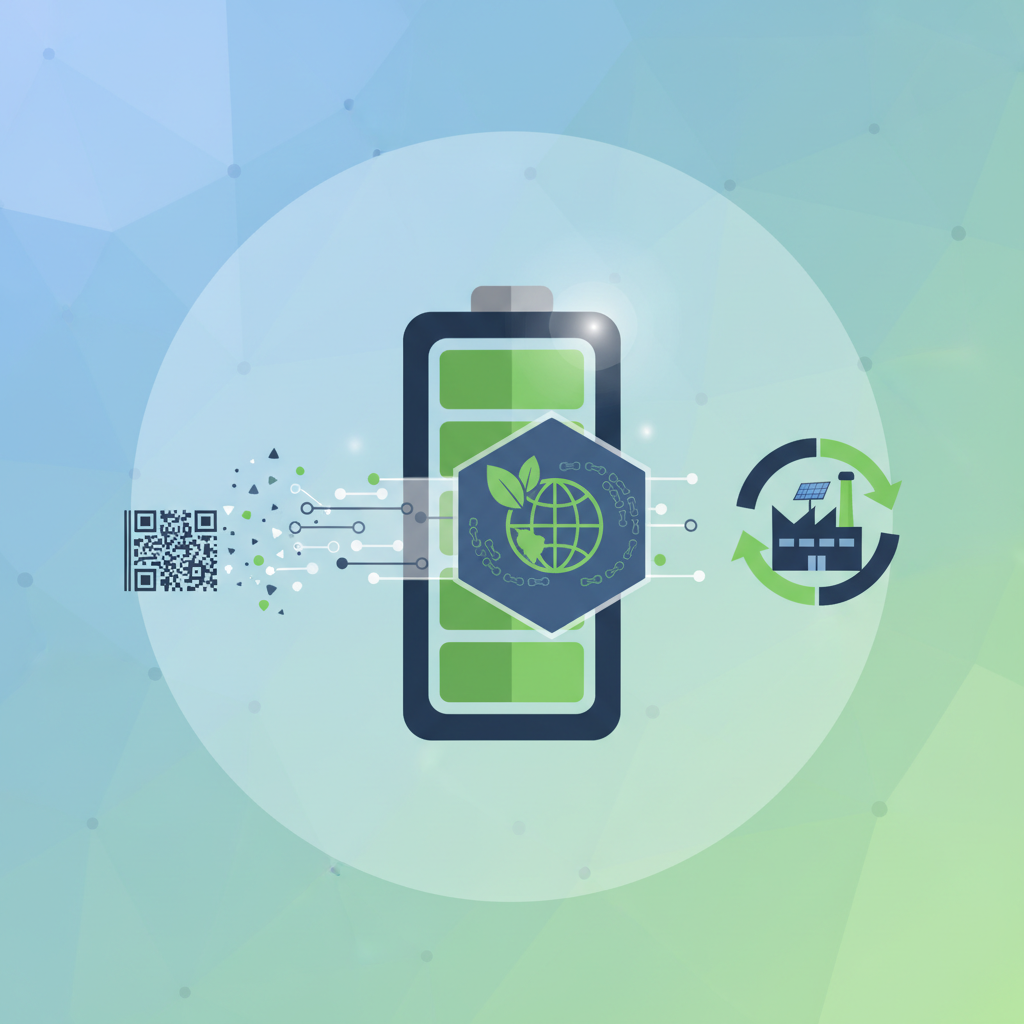
How the Battery Passport is Changing the Industrial Sector
The battery industry is undergoing an unprecedented transformation that goes beyond chemical innovation or energy density; it is an ethical and regulatory shift. Under the framework of the Digital Product Passport (DPP) promoted by the European Union, the sector is redefining transparency and sustainability.
Thanks to solutions like CertyPass and its iPass technology, companies can now navigate this transition toward a circular business model, ensuring that every component is tracked from extraction to final recycling.
What is the European Digital Product Passport (DPP)?
The DPP is a strategic tool proposed by the European Commission to foster transparency and unlock circularity in value chains. Technically, it consists of a digital registry system that facilitates the transfer of information between all actors in the chain: from raw material suppliers to recyclers.
This passport aims to:
- Optimize circular value: Retaining material value through reuse.
- Empower the consumer: Allowing users to make choices based on real sustainability data.
- Facilitate verification: Helping authorities check compliance with legal obligations through unique identifiers accessible via QR codes.
The Urgency of the Battery Passport
Batteries have been designated as the first product category required to comply with these requirements. According to the EU Battery Regulation of July 2023, all electric vehicle (EV) batteries and industrial batteries with a capacity greater than 2 kWh marketed in the EU must have a unique battery passport.
The responsibility for the accuracy of this data lies with the party placing the product on the market. Additionally, the carbon footprint must be validated by external entities and made publicly available. Critical data such as energy efficiency, expected lifespan, manufacturing history, and material provenance will now be an open book thanks to digitalization.
From Physical Passport to Digital Twin: The Role of iPass
Historically, battery passports were physical documents vulnerable to damage or loss and extremely difficult to update. The new digital concept creates a "digital twin" of the physical battery.
- Data Security: It does not get lost or degraded.
- Real-time updates: Allows for the integration of maintenance histories and ownership changes.
- Advanced circularity: Facilitates recovery plants in determining the best process based on the exact chemistry of the battery.
Platforms like CertyPass facilitate the implementation of these digital twins through iPass technology, enabling companies to comply with European regulations efficiently and scalably.
Challenges and Opportunities: ESG Impacts
The implementation of the Battery Passport is not just an administrative procedure; it is a response to environmental, social, and governance (ESG) impacts. By increasing transparency, it ensures that critical minerals are ethically sourced and that waste management is responsible.
Germany has already taken the lead with the Battery Pass project, an R&D pilot started in 2022 that serves as a guide for the global industry. This project demonstrates that while regulatory compliance is a logistical challenge, it is also a golden opportunity to build market trust.
Conclusion
The Battery Passport marks the beginning of a new era. It is no longer enough to manufacture the most powerful battery; it must now be the most transparent and sustainable. Tools like the iPass system by CertyPass are becoming indispensable for turning this legal obligation into a competitive advantage, ensuring that the transition to electric mobility is truly green and circular.